
Challenge
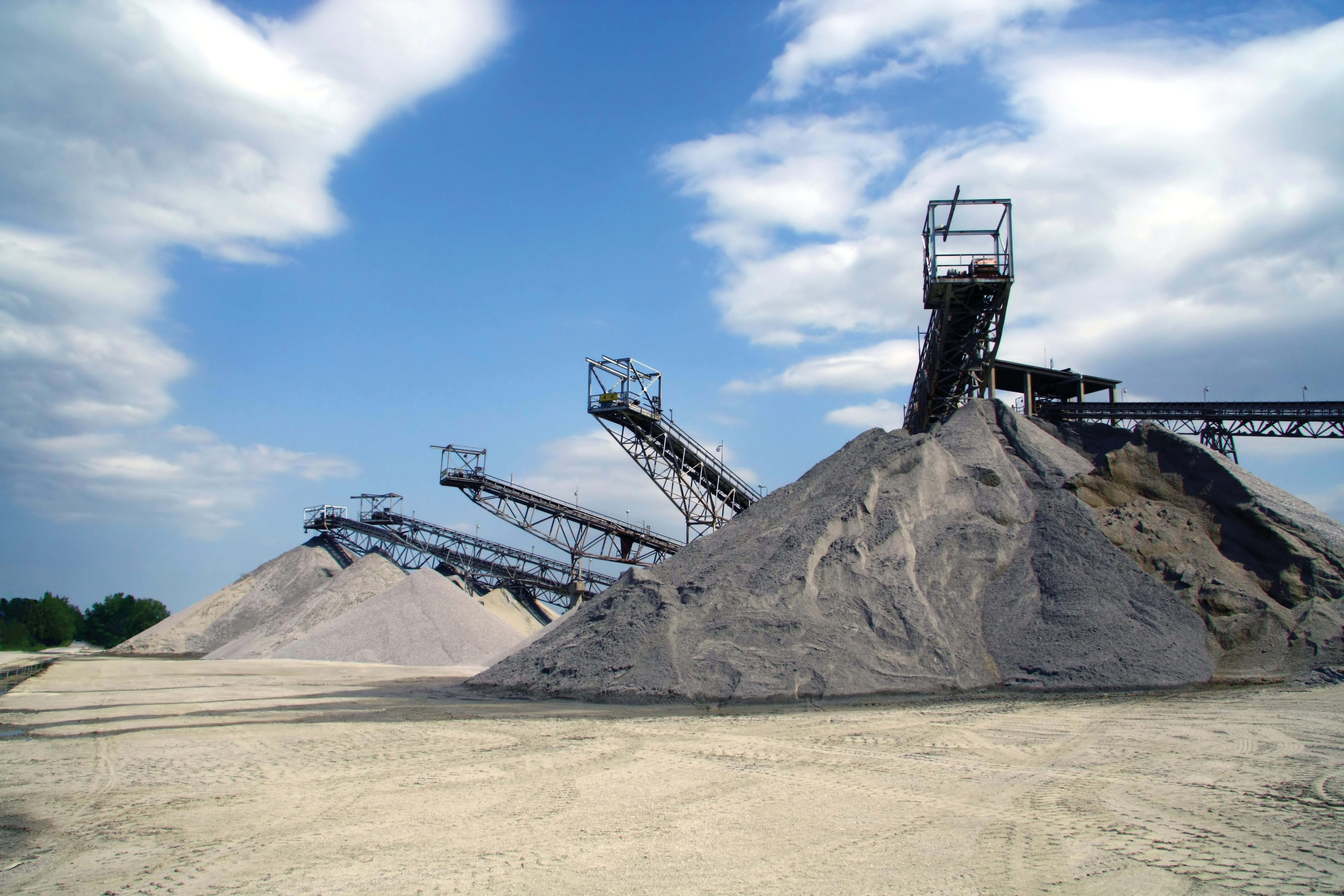
A sand and gravel processing plant uses extensive amounts of water in its screening, washing, and scrubbing processes, as well as in the finished product re-washing operation. Process and re-washed wastewater containing fines of silt, clay and sand is recycled and reused after thickener clarification and natural pond settling. These sources vary greatly in their total suspended solids (TSS) loading resulting in the operators consistently keeping a high coagulant usage in the thickener. This un-optimized chemical dosing practice resulted in poor thickener overflow water quality with suspended solids carrying-over into their process water tank.
The plant was concerned of their thickener high chemical spend and its inconsistent performance to produce low TSS effluent water which impacts the re-used water quality for their process.
Solution
The local Veolia team performed an operational audit and a TSS characterization of the different waste streams. A series of jar tests over several days identified a KlarAid* coagulant as the most cost-effective coagulant under varying suspended solids contaminant loading. A PolyFloc* anionic emulsion polymer was selected as a coagulant aid (flocculant) for faster floc settling rate.
A trial was then set-up which allowed the KlarAid coagulant dosage optimization at normal and peak solids loading rate. Trial monitoring provided an understanding of the flow contributions of the primary and re-wash wastewater sources and their impact on the thickener performance.
Initial KlarAid optimization resulted in improved effluent water quality and 27% lower dosage rate compared to the typical coagulant feed to treat both the process and re-wash wastewater streams.
The Veolia team further improved the coagulant usage rate by installing another flow-based feed primarily for the re-wash water. This buffered the high solids loading swing when re-washed waste stream flow is on, and reduced coagulant overfeed when this flow was turned off.
Result
Having a separate coagulant feed location for the re-washed and process waste streams allowed the plant to always address their varying solids level with proper coagulant dosage.
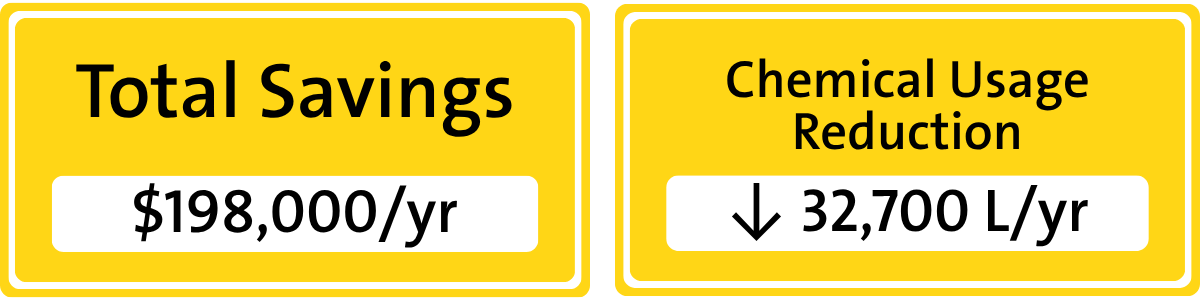
The optimized KlarAid coagulant feed reduced the plant’s annual chemical usage by over 32,700 Liters resulting in a yearly chemical savings of $198,000.
In addition, the optimized KlarAid treatment also improved the solid-liquid separation in the thickener, thereby ensuring consistently good quality re-used water for their process.